Quilted Connection:
Tompkins County’s Vulnerable Species
A Reflection on Energy Use vs. Habitat
created by Bethany Parisi & Suz Newman
Featured Species
Click on the image to learn more about the carving’s subject, their environment and more.
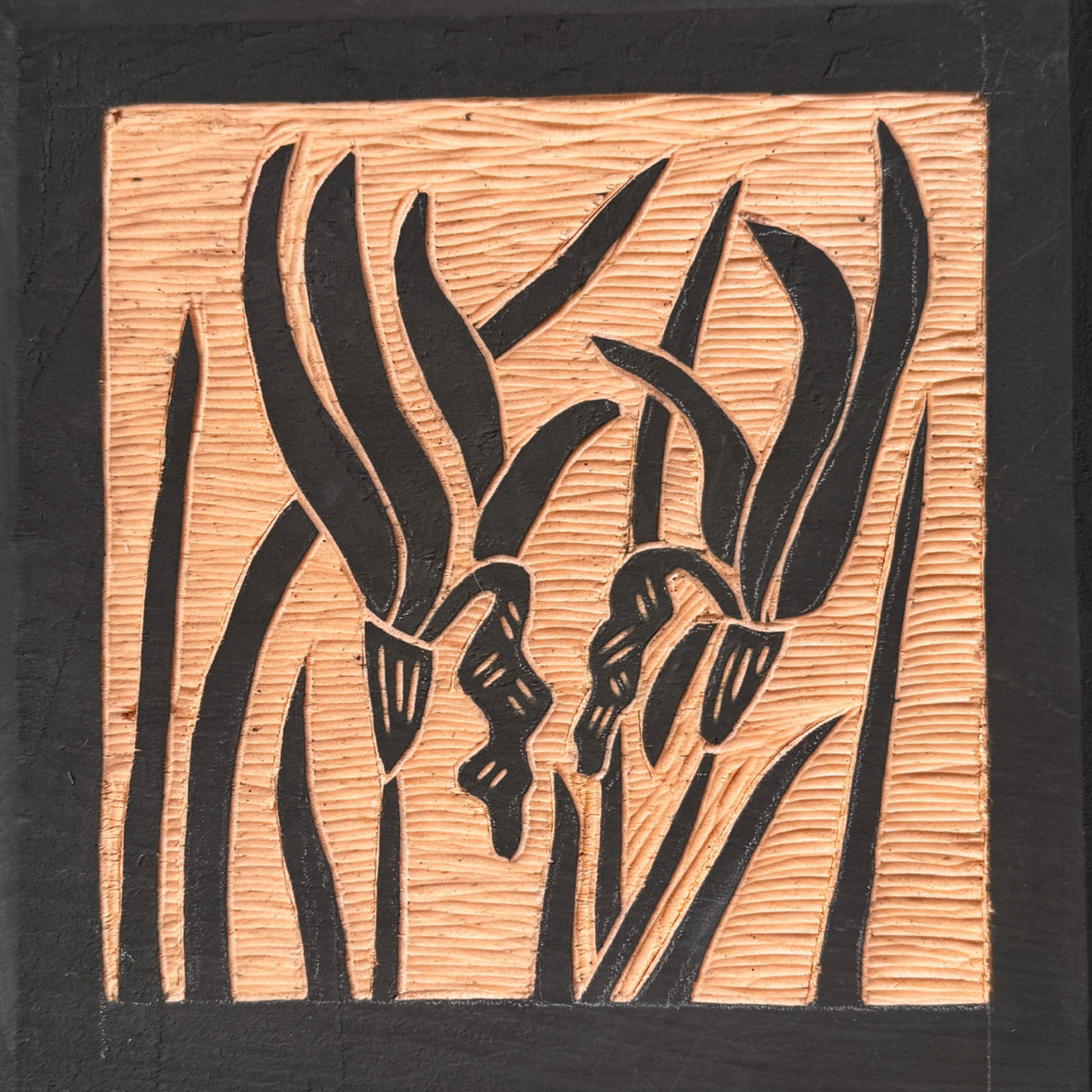
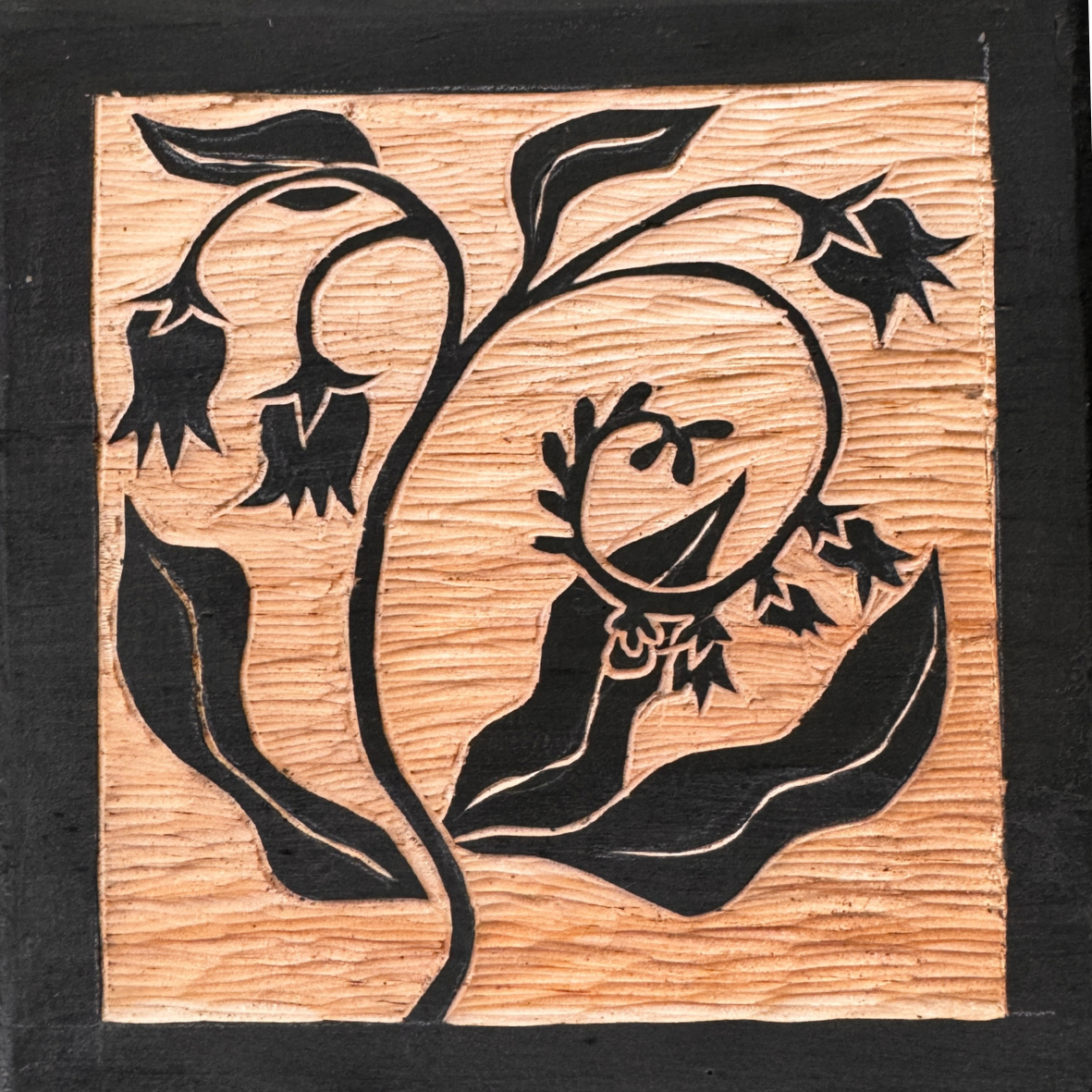
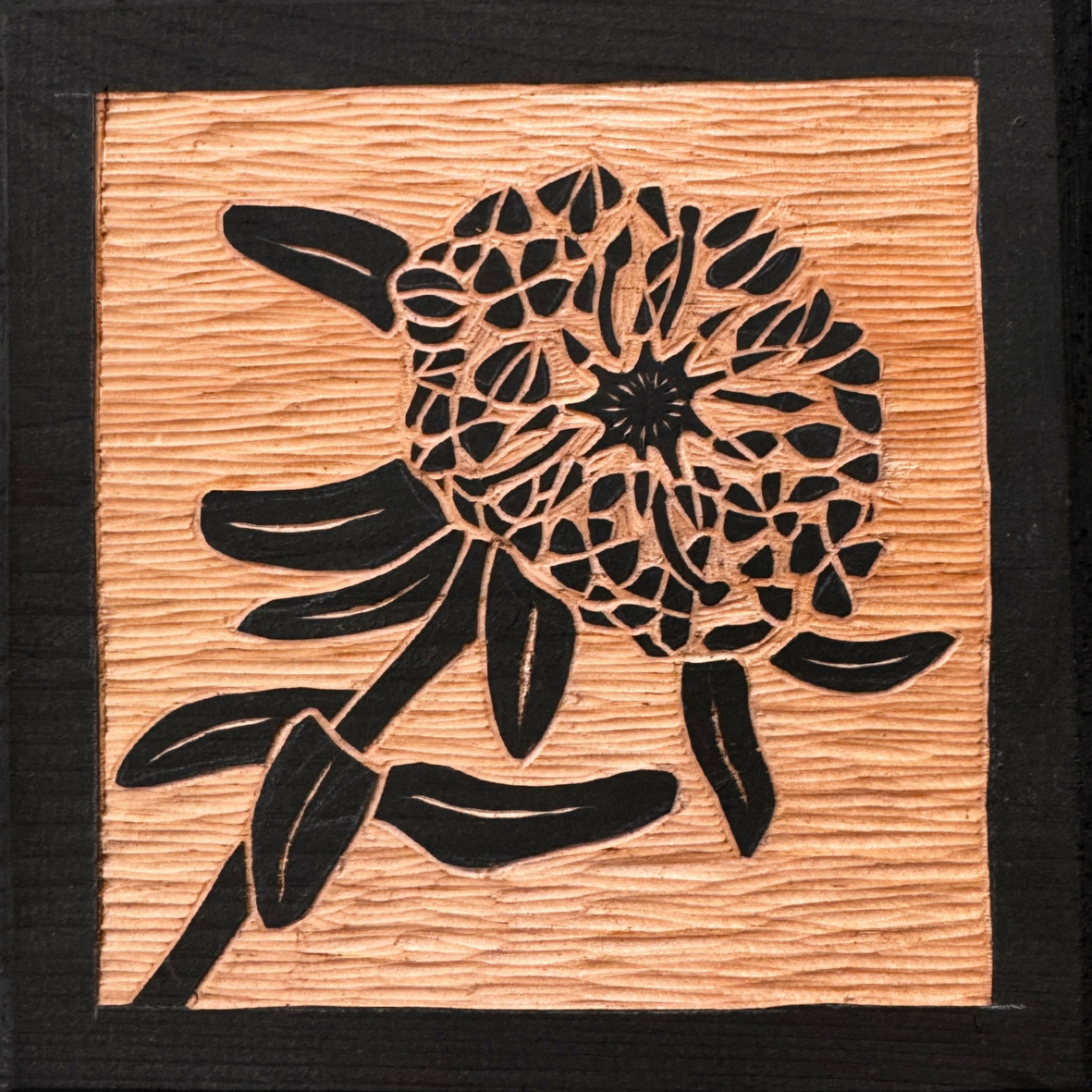
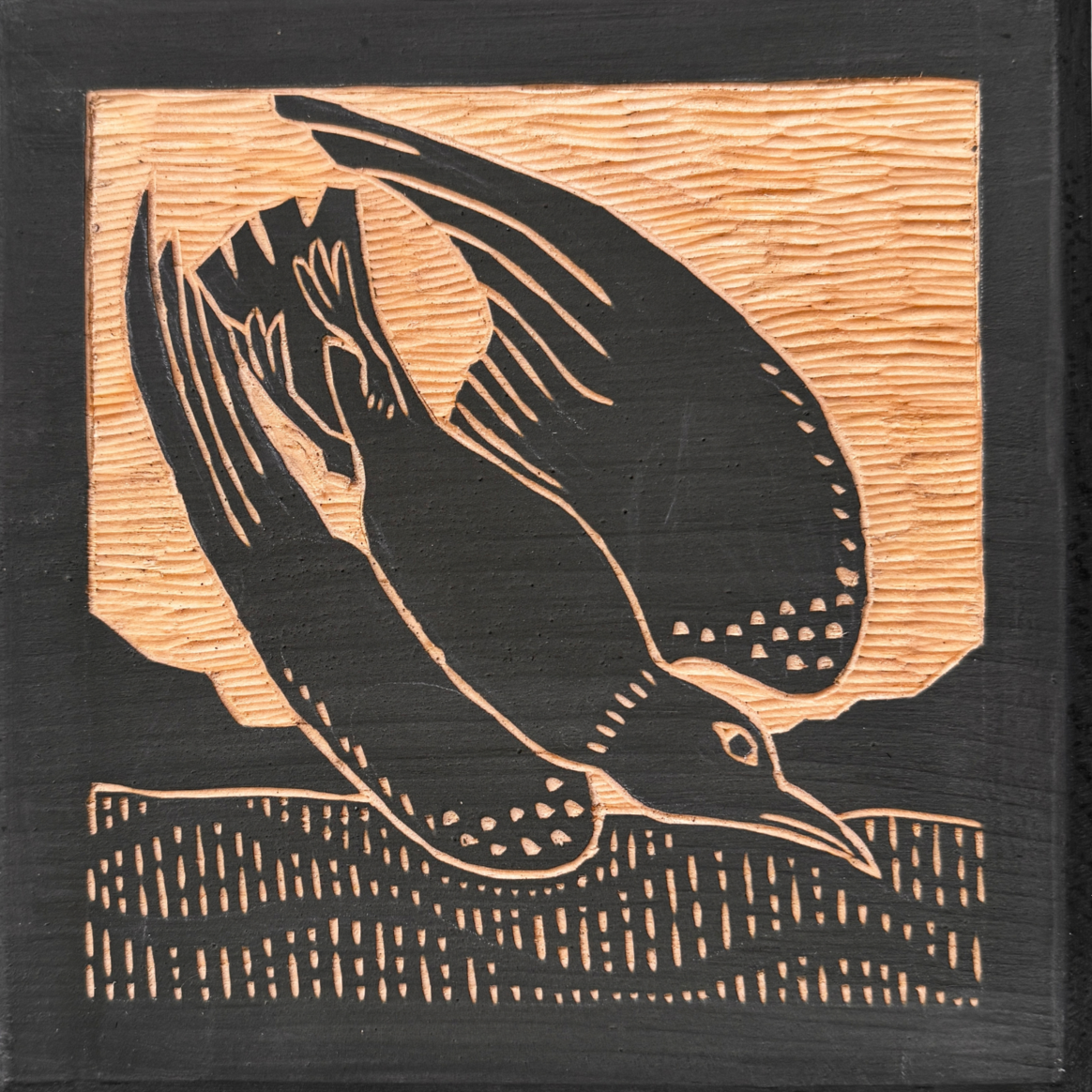
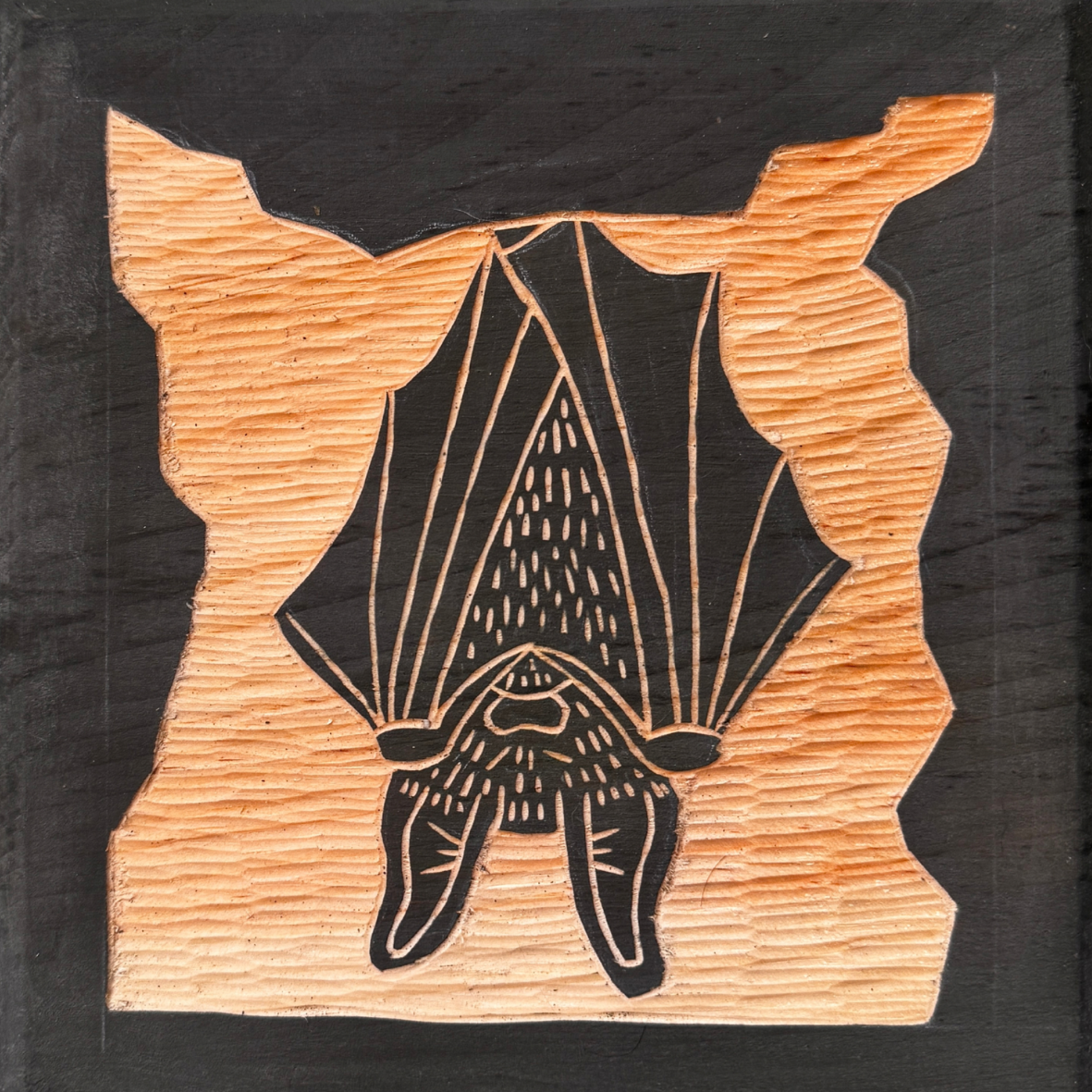
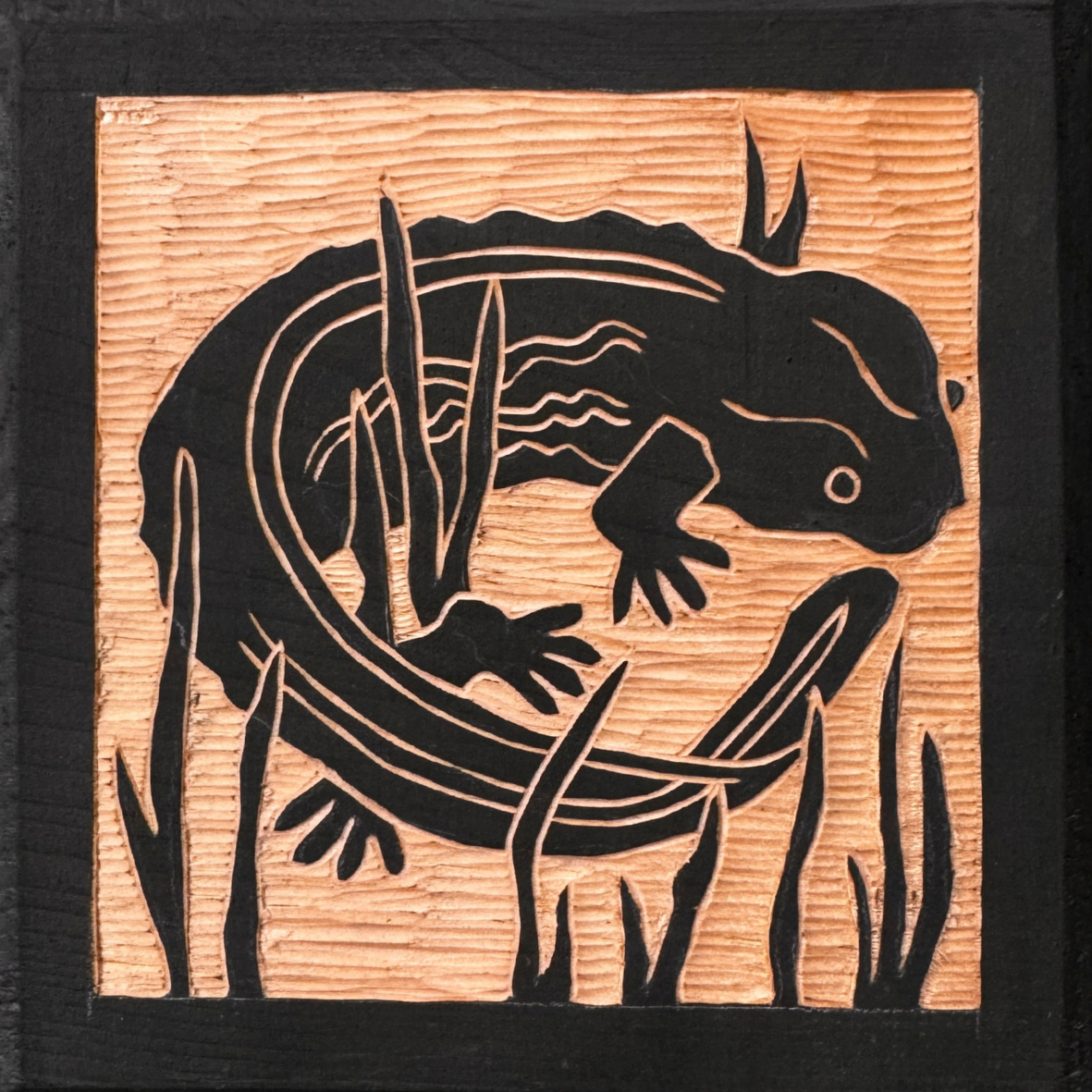
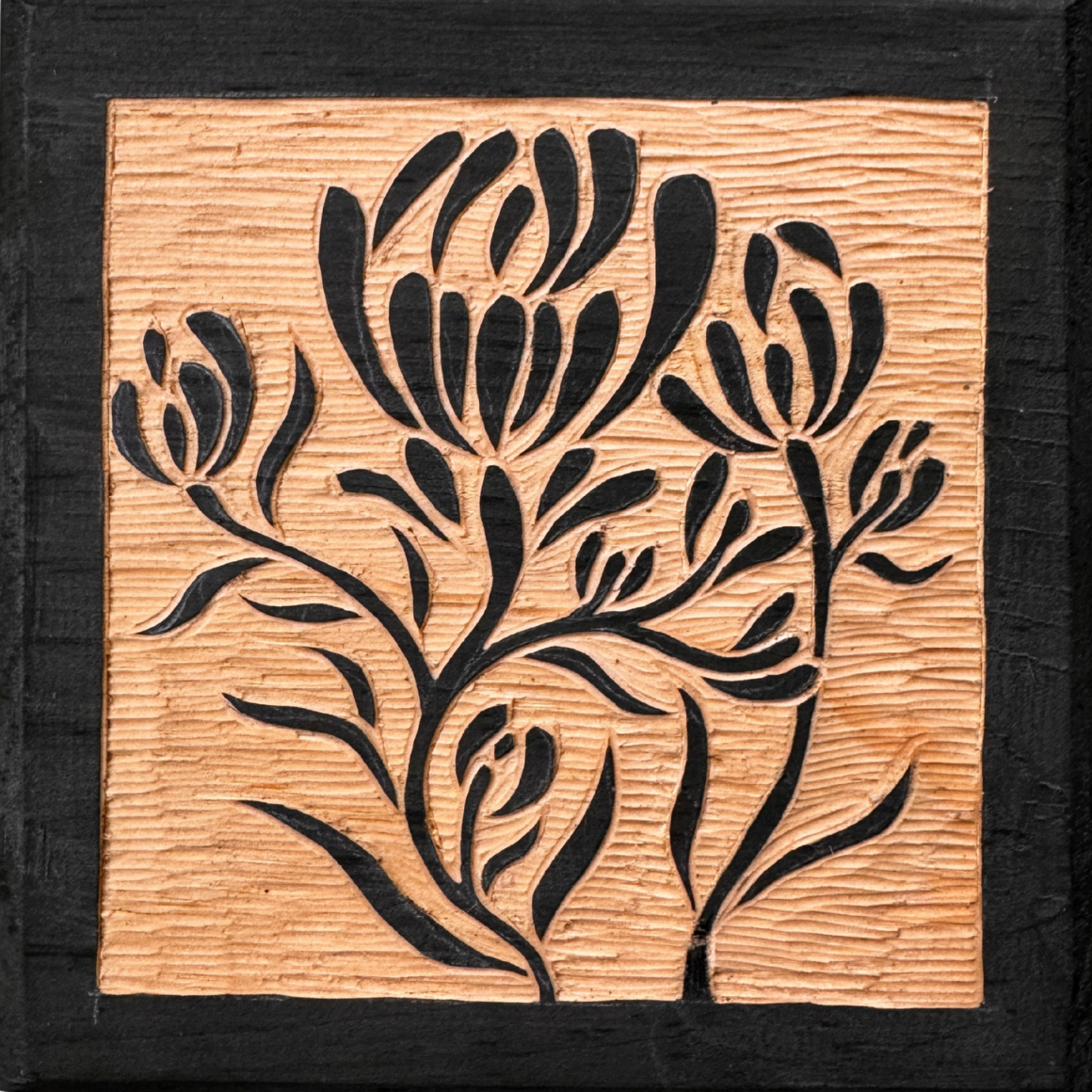
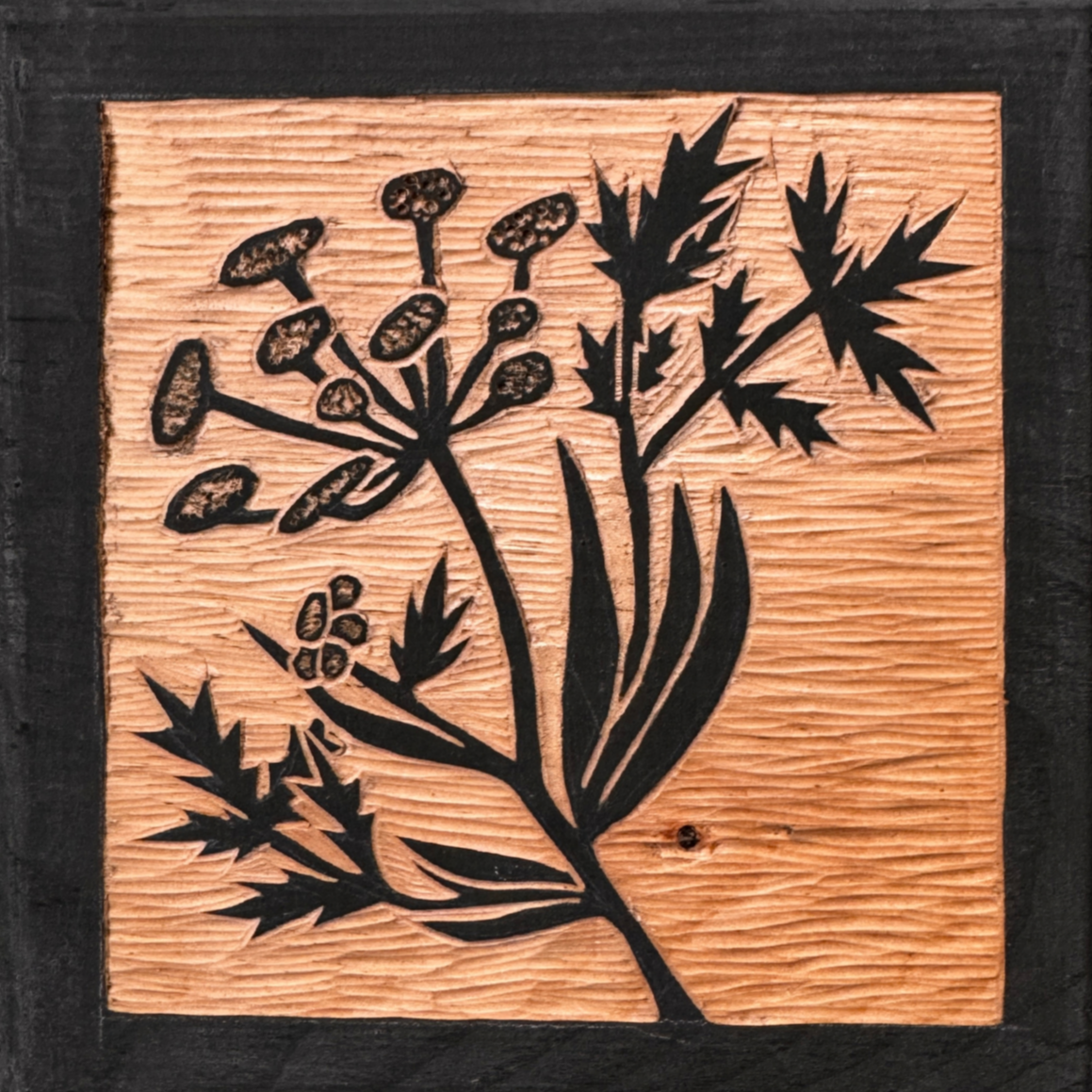
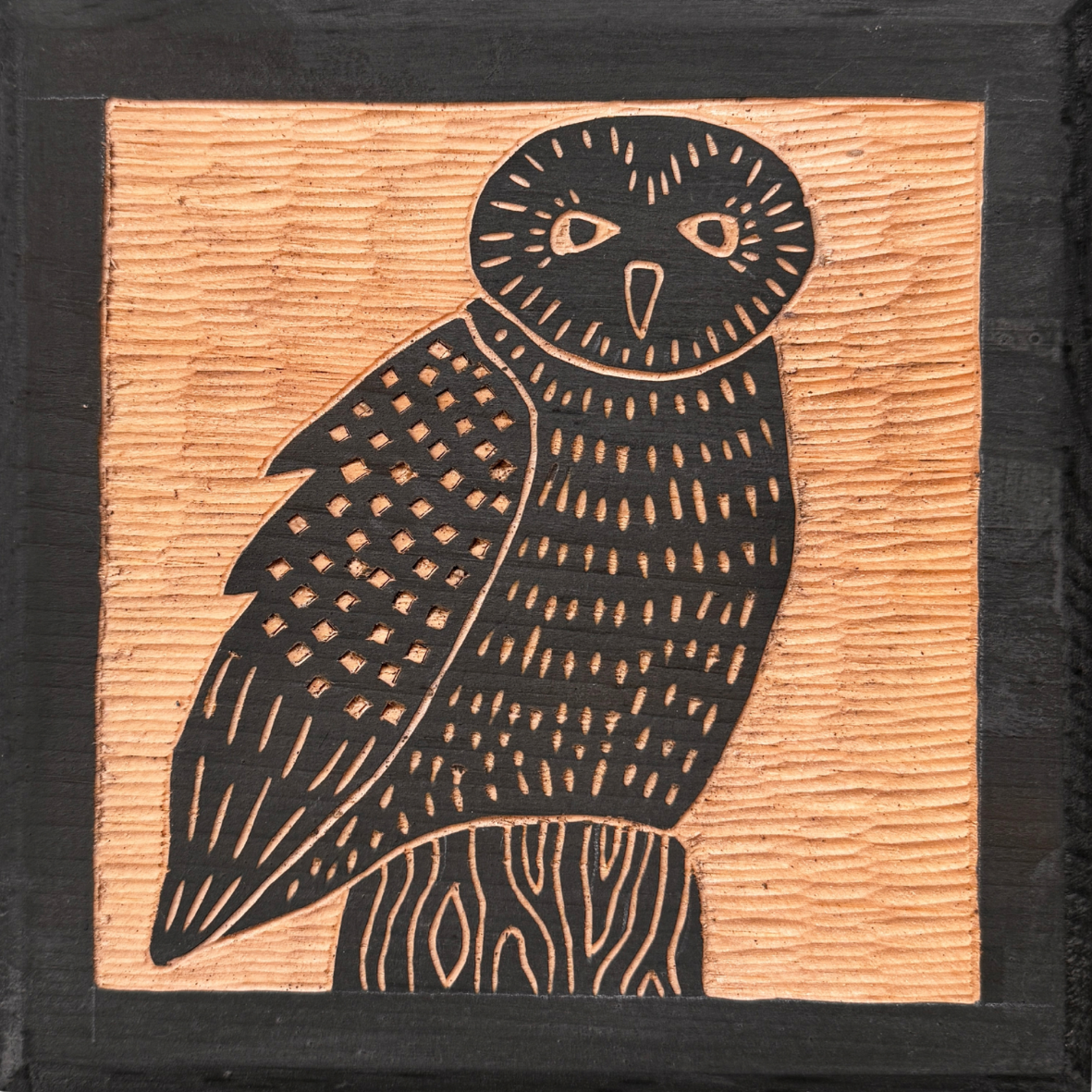
Artist Note: "We deliberately chose non-charismatic flora and fauna and omitted large, popular wildlife to elevate the quiet, foundational organisms that sustain Tompkins County's ecosystem."
Artistic Process
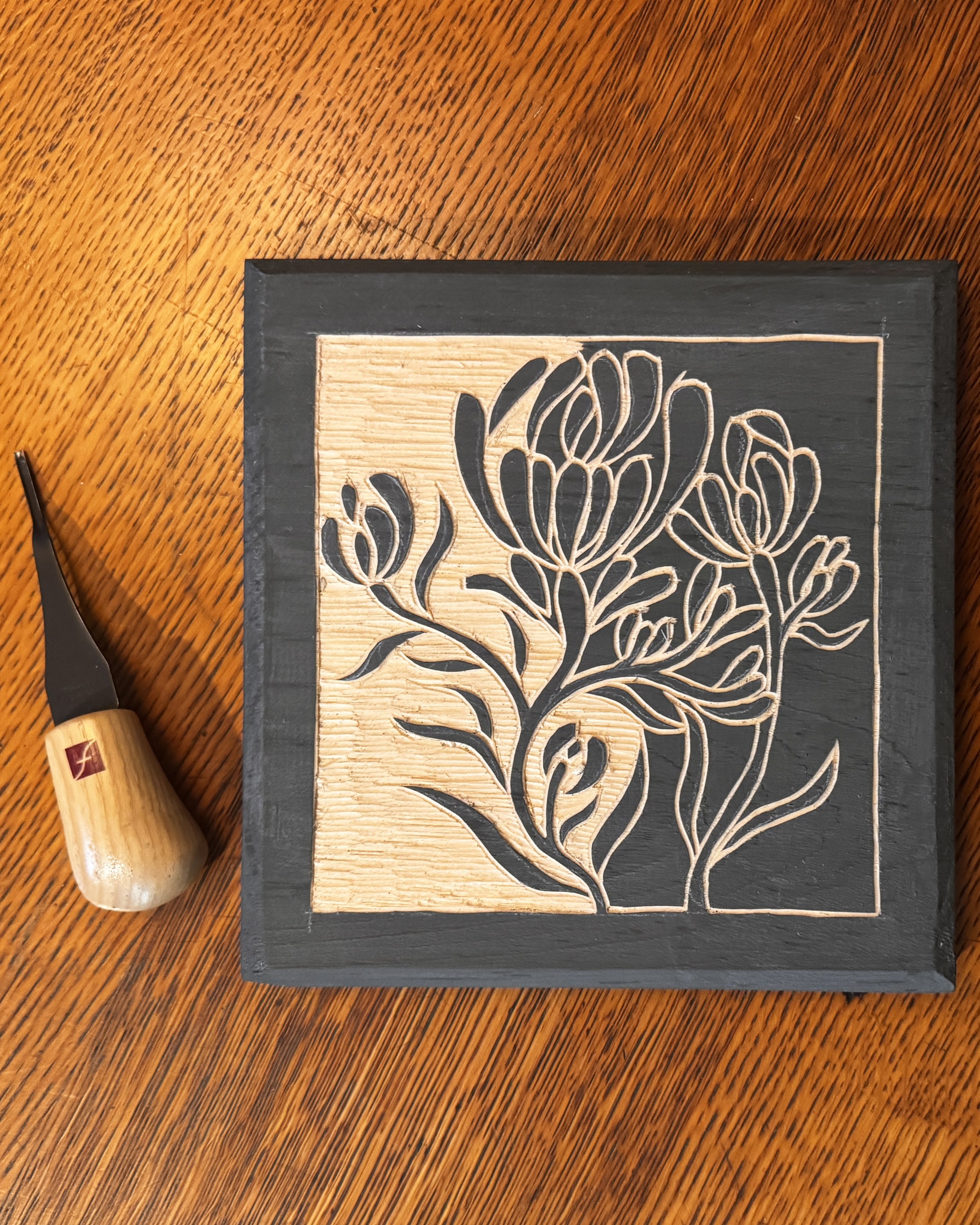
Bethany’s Process
Allow me to begin with a confession: I am not a botanist or ornithologist. I am simply a woodcarver with a deep appreciation for the natural world and the quiet beauty it shares with us, especially right here in Tompkins County.
This project grew out of a personal desire to familiarize myself with the endangered and threatened species native to our area. It all started on a hike, when a chance encounter with a rare plant sent me down a rabbit hole. Reading about its lifecycle, its place in our local habitats, and the ongoing efforts to protect it sparked the core idea behind this work.
My process is grounded in the environment around us: I carve what I see into salvaged Eastern White Pine. By using reclaimed wood to depict species that are at risk, I hope to honor these living things and keep the conversation going about how each of us can make small, sustainable changes to protect our local ecosystem.
I am constantly learning and refining my understanding of these species. If you have insights, suggestions, or just want to share your own observations from the trail, please reach out via email. I would love to hear from you.
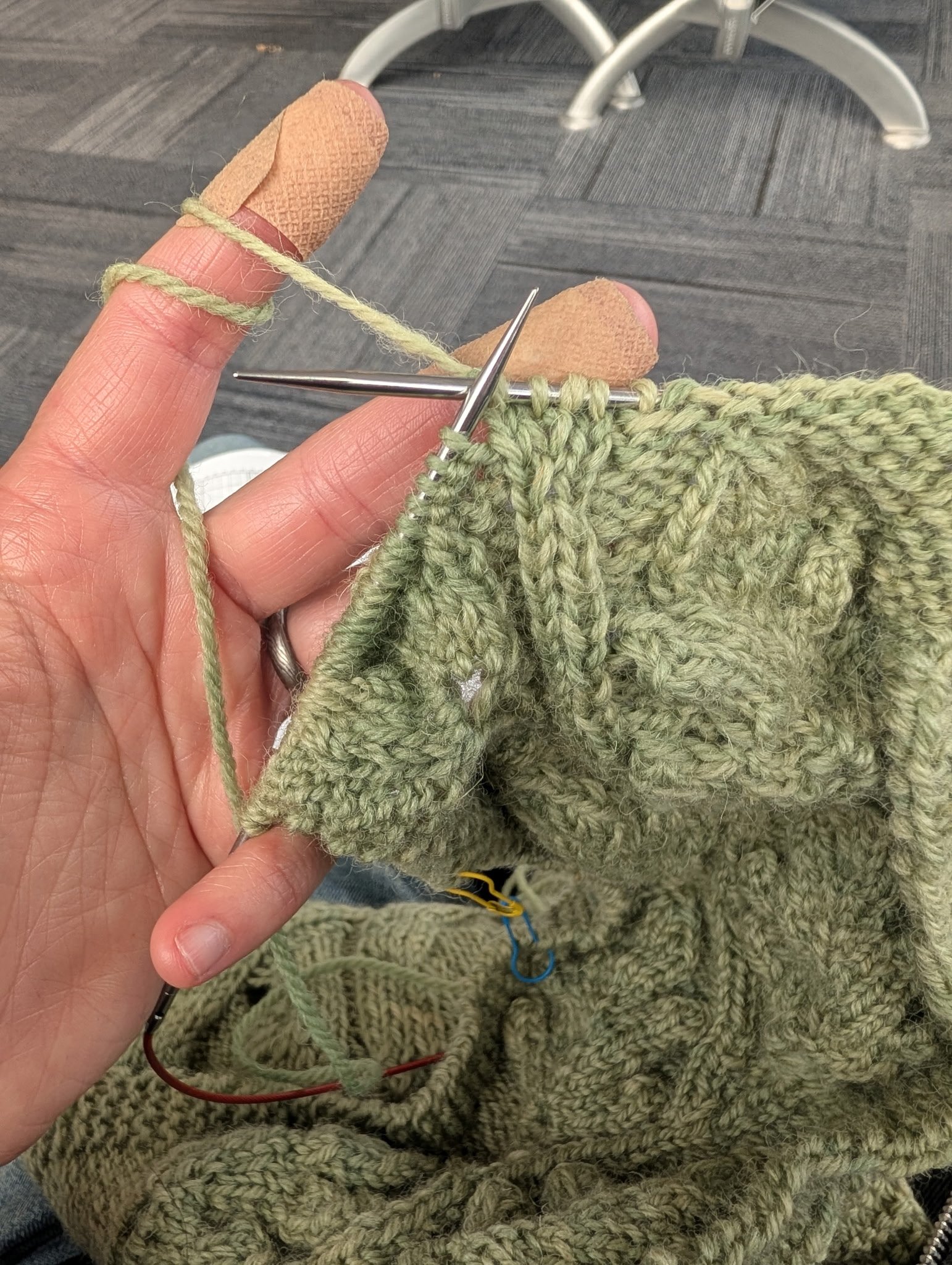
Suz’s Process
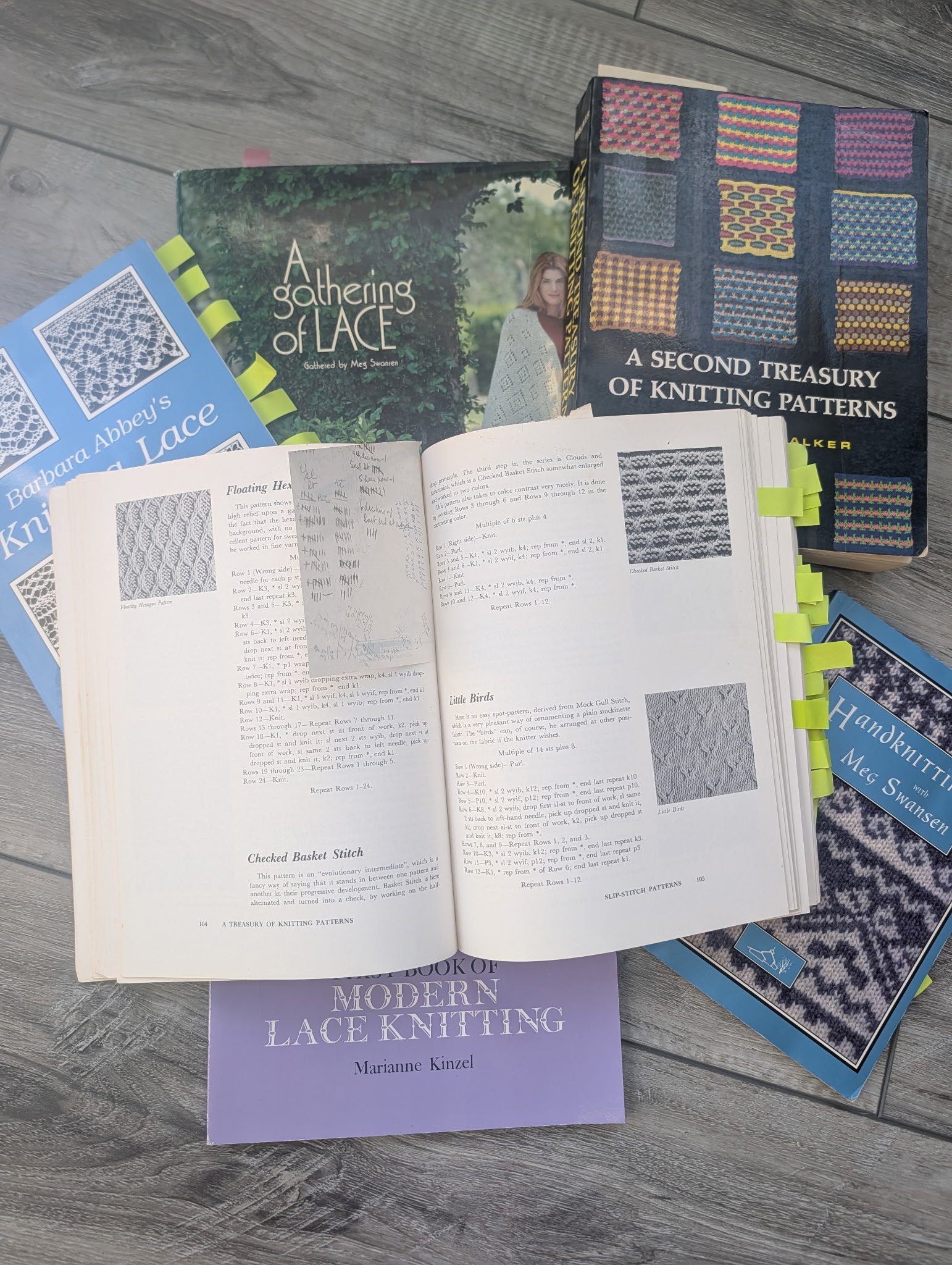
There is a rich history of botanical themes in knitting patterns. When Bee approached me about collaborating on this project my imagination was immediately flooded with ideas for patterns to use for our quilt, and I set forth pouring through my collection of stitch dictionaries and pattern books.
Some of these books I inherited from my grandmother. She was a lifelong knitter, but by the time I was old enough to learn, Alzheimer’s had diminished her ability to pass on her skills. Instead, I picked up the skill later in life in my college years. After my grandmother passed, I inherited her stacks of knitting books and magazines, complete with index cards and bits of paper with notes marking pages. These ultimately helped to inspire the pattern that I chose for this piece. Even though my grandmother didn’t teach me, I still feel connected to her in the tradition, as I feel connected to so many knitters from the past and those who will continue the tradition in the future (including some I have taught!).
The knit border pattern is an oak leaf motif I chose to represent the ever-present native oak species in the Finger Lakes region. I spent my summers on the shores of Owasco Lake at a cottage surrounded by oak trees, so they hold a special place in my heart. There are 16 oak species native to New York, but this pattern could represent any of them.
I imagine the borders of this quilt as the fallen leaves that decompose and feed the soil that knits together all life in the region, including the ones represented in the carvings. The fragile connections between species include humans and our choices, and can fall apart just as easily as a dropped stitch can unravel.
Materials
Wood
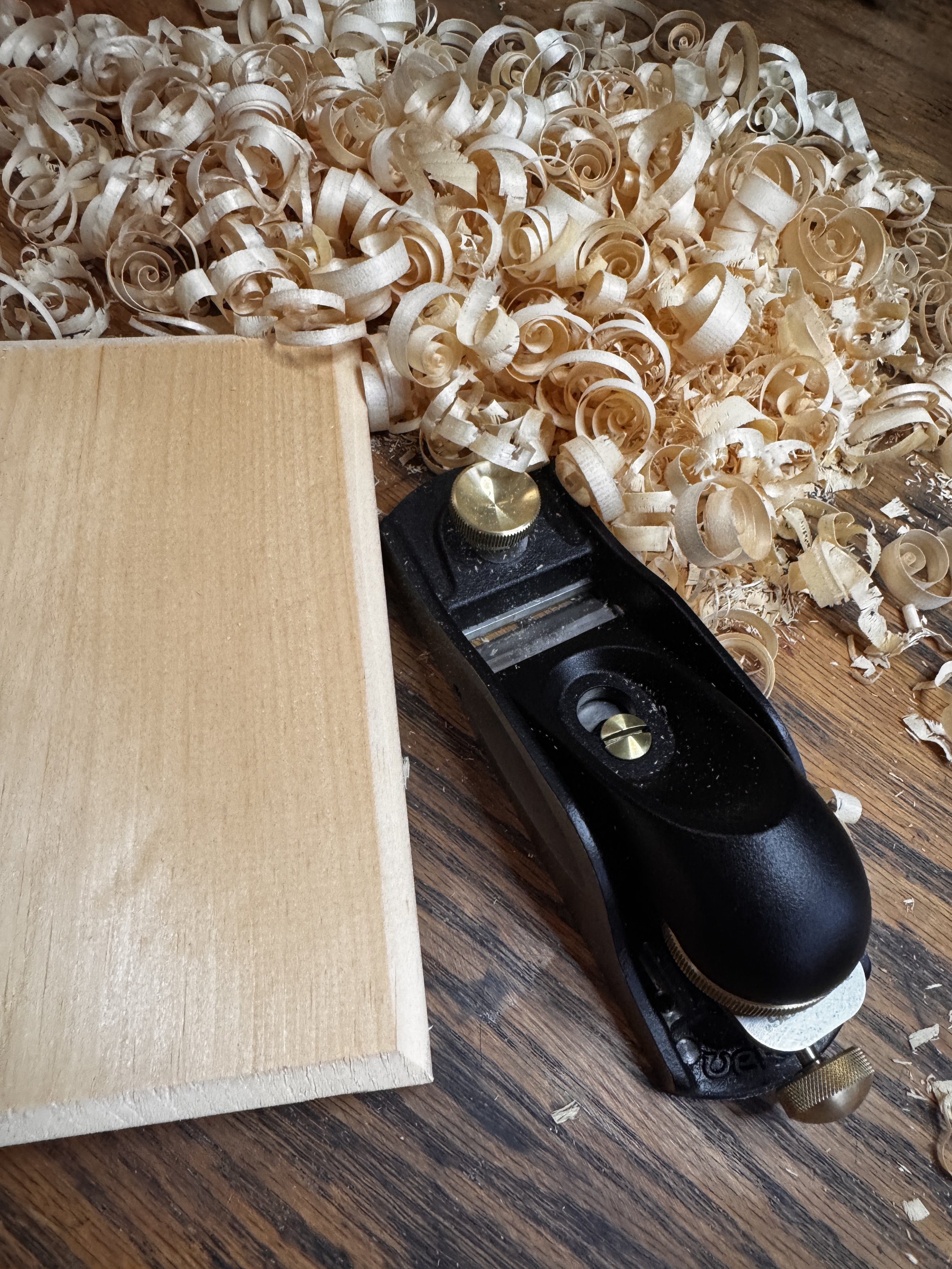
Locally milled Eastern White Pine salvaged from a home renovation. The edges have been hand planed to a 45° angle. Once planed the wood is painted with a custom mixed milk paint to get the rich natural deep green color and finished with a beeswax and citrus oil blend to help protect the wood and promote even oxidation.
Fiber
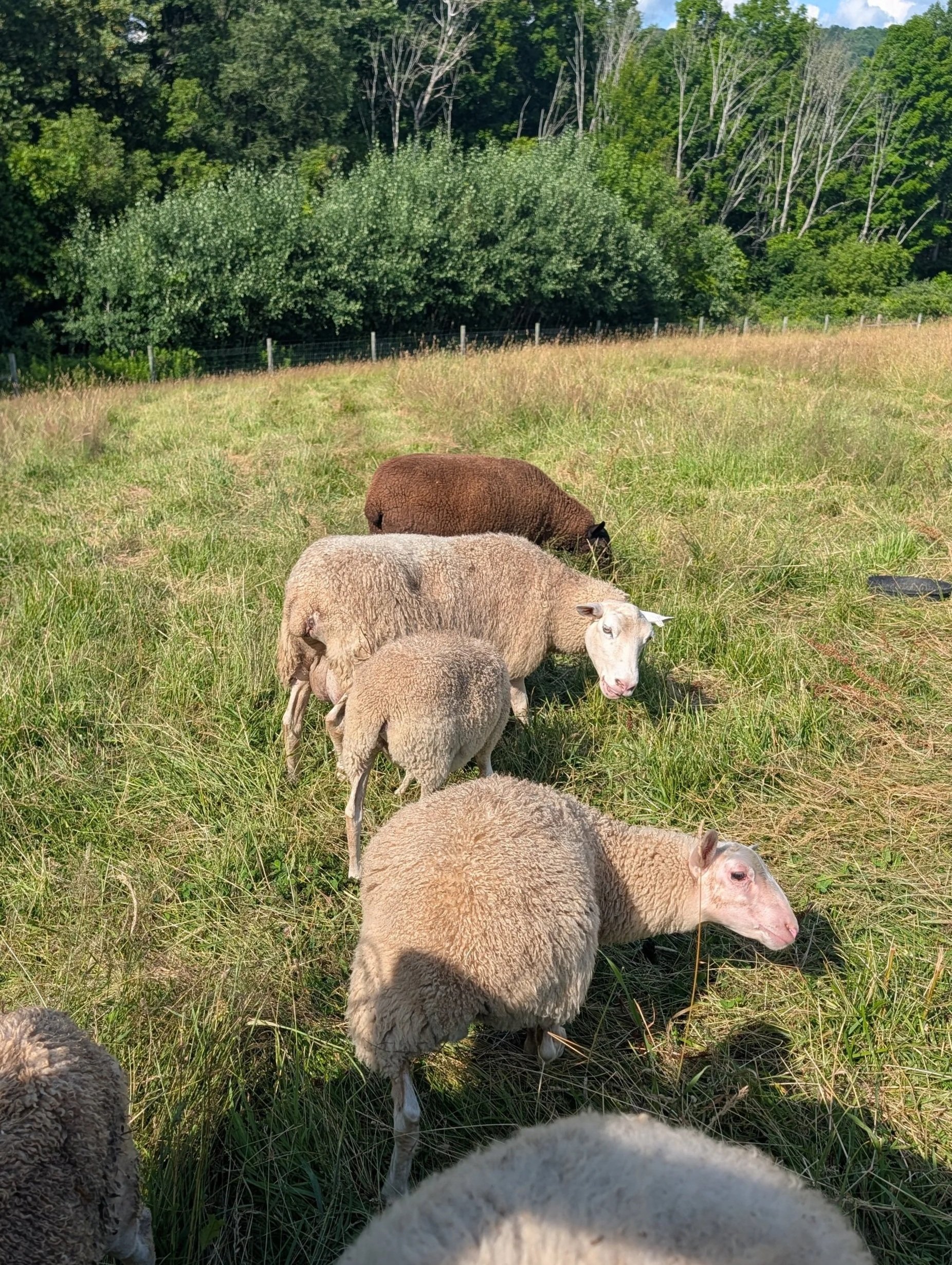
Sweet Meadow Farm is a homestead farm in Danby, NY. They have a small flock of Finn/Polypay/Cheviot sheep that produce lovely yarn and roving.
From the owners: “We skirt the fleece, then send it off for cleaning and processing into worsted and sport weight yarn. We color most of our yarn using botanical dyes, many of which are grown on our farm. [This particular fiber was dyed using mulberry.] Our finest producer of fleece, Jack the sheep, starred in a horror movie and has been the ambassador sheep at the Tioga County Fair.”
Sweet Meadow Farms sell their yarn and roving at the Local Fiber Initiative's holiday pop up store and at the NYS State Fair's Wool Center.
This project was made possible thanks to the following partners:
Smart Energy Choices
Smart Energy Choices is a collaboration of Cornell Cooperative Extension associations serving eight counties in the Southern Tier region: Broome, Chemung, Chenango, Delaware, Schuyler, Steuben, Tioga and Tompkins. It is funded in part by NYSERDA’s Regional Clean Energy Hub Program.
Community Arts Partnership
The Community Arts Partnership of Tompkins County provides grants, services, and programs to artists and audiences. CAP connects artists and audiences through the Greater Ithaca Art Trail, Ithaca Artist Market, Spring Writes Literary Festival, and the CAP ArtSpace Gallery. CAP provides grants, a professional development workshop series, and other resources for artists. For more information on the Community Arts Partnership and its programs and services, visit www.artspartner.org.